


Reduce Waste. Maximize Workplace Value.
We help organizations responsibly manage office furniture, workplace assets, and surplus materials through reuse, recycling, donation, liquidation, and environmentally conscious disposal strategies.

Asset Reallocation

Cost Avoidance

Comprehensive Metrics

Inventory Management

Sustainability Initiatives

Positive Community Impact
Sustainable Waste Diversion for Modern Workplaces
Waste diversion is more than disposal. It’s a strategic approach to reducing environmental impact while maximizing the value of workplace assets.
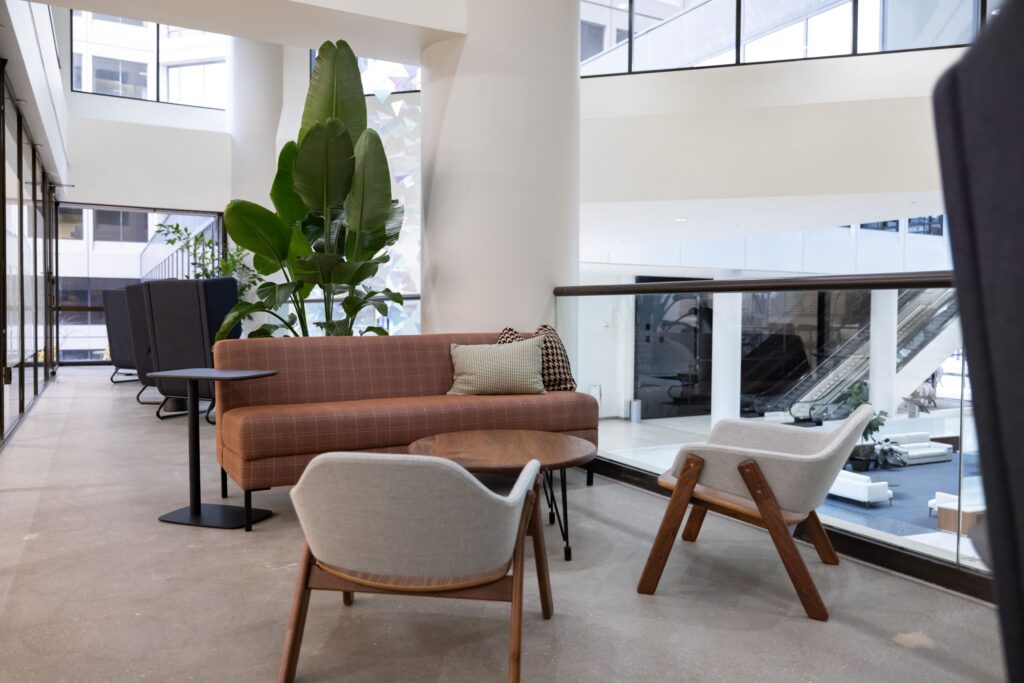
Furniture Recycling & Responsible Disposal
We help organizations identify sustainable alternatives to landfill disposal through furniture recycling, repurposing, and responsible material handling.
Furniture Reuse & Asset Reallocation
Many workplace assets still have value long after an office transition begins. We help organizations identify opportunities to reuse and redistribute furniture internally before considering disposal.
Donation & Community Impact Programs
LOTH helps organizations donate usable furniture and workplace assets to nonprofits, schools, and community organizations whenever possible.
Waste Diversion Metrics & Reporting
Organizations increasingly need measurable sustainability reporting tied to workplace initiatives. We help provide waste diversion metrics and documentation that support internal reporting and ESG initiatives.
What are Waste Diversion Services?
Waste diversion is a sustainable approach aimed at reducing the amount of waste sent to landfills through recycling, composting, and other environmentally friendly methods. Rather than utilizing traditional disposal methods, our team helps redirect them towards beneficial reuse or recycling processes.
Instead of contributing waste to landfills, organizations can reduce environmental pollution, conserve natural resources, and decrease greenhouse gas emissions. Additionally, waste diversion offers economic benefits through the creation of new markets for recycled materials and the reduction of waste management costs.
Industries We Support
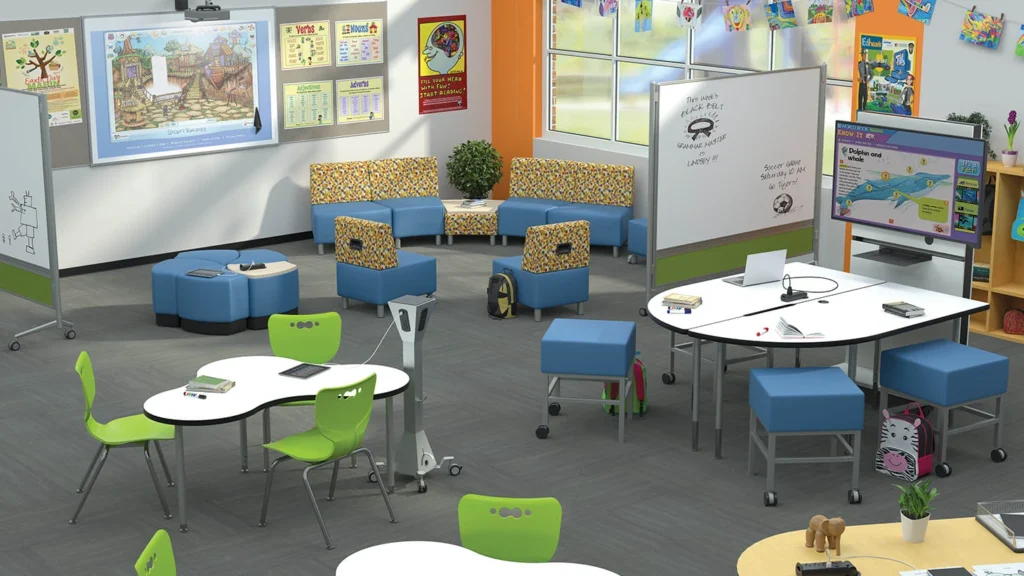
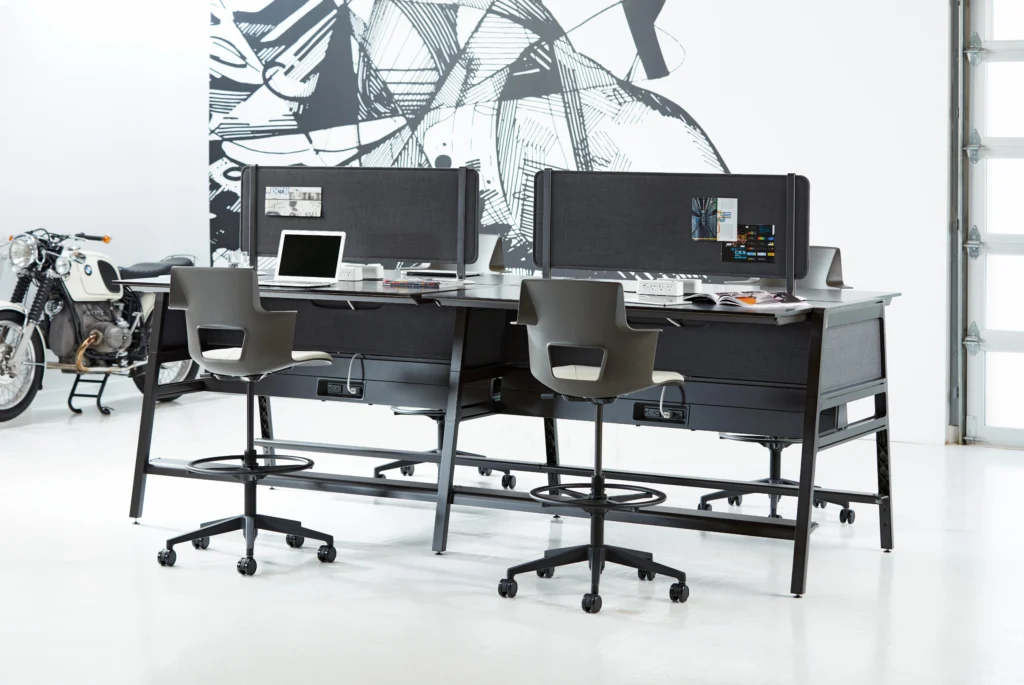
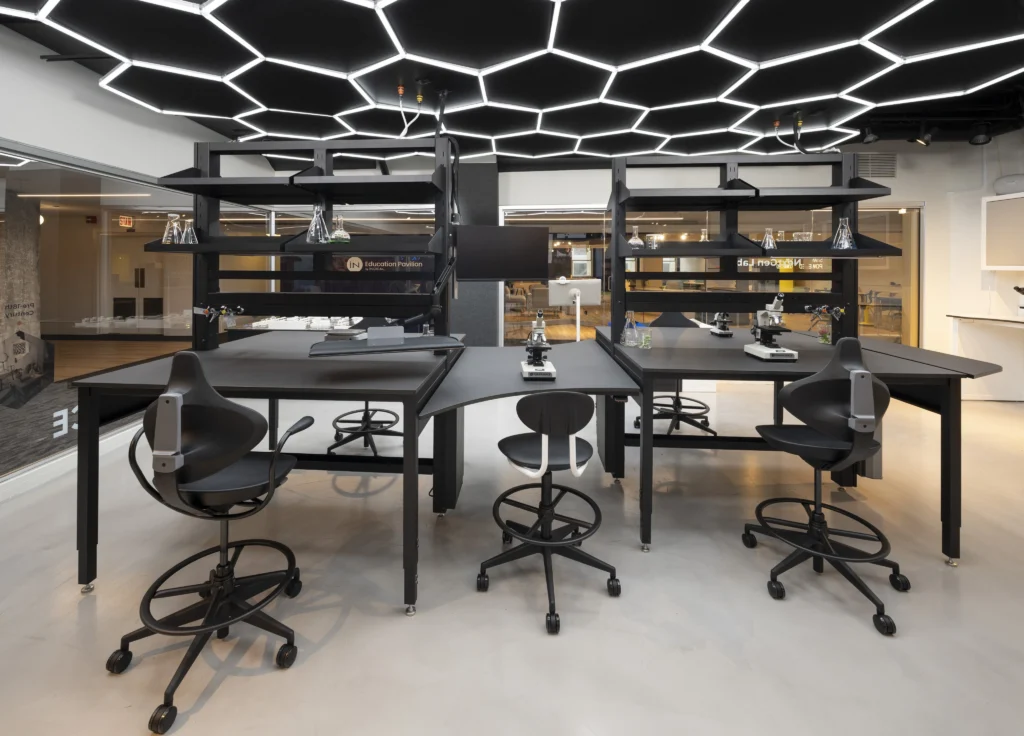
LOTH provides waste diversion services for organizations across numerous industries. Our team scales solutions to match your project needs.
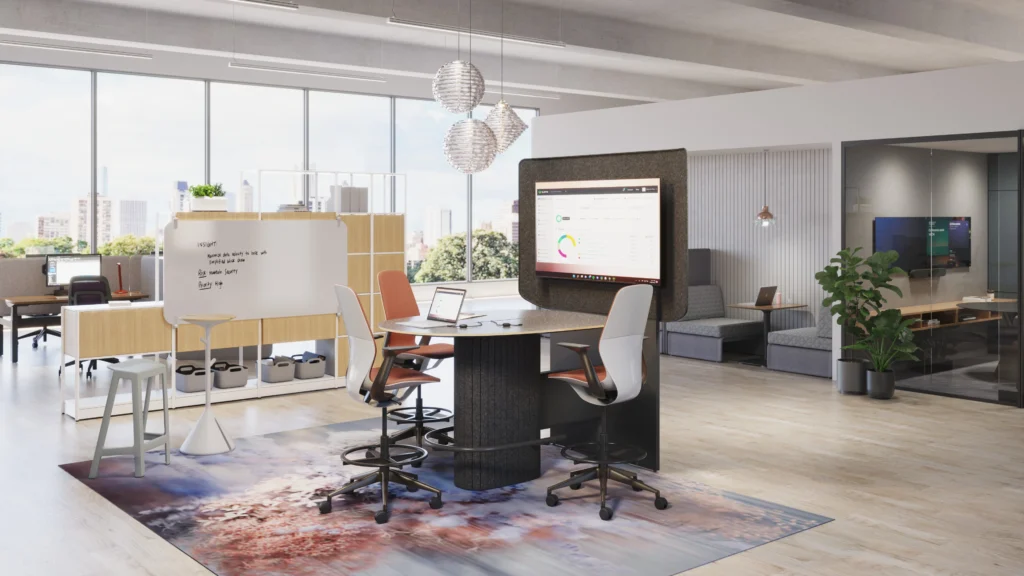
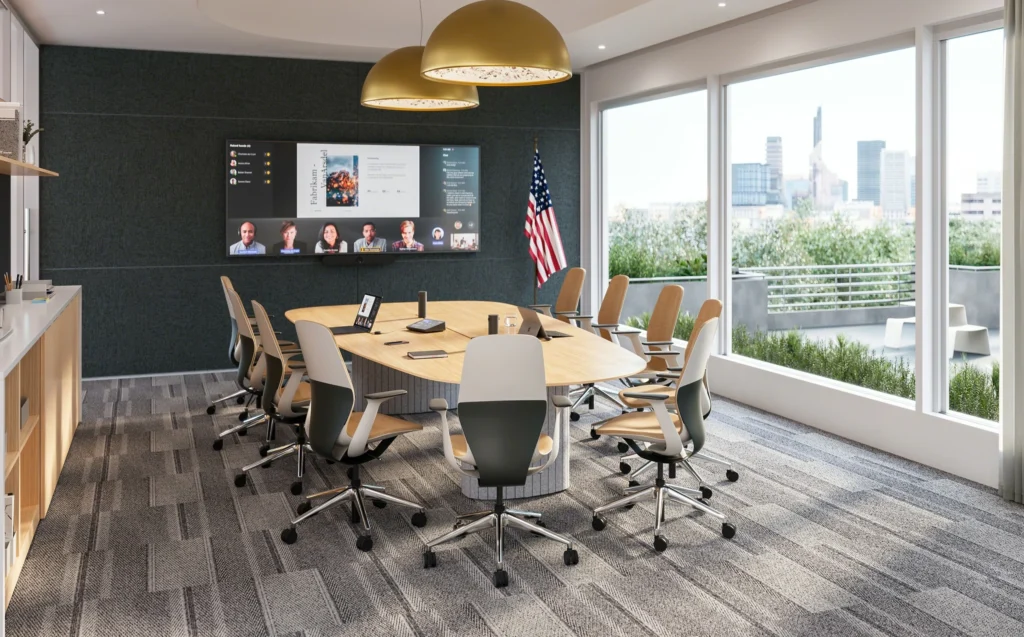
Workplace Solutions Backed by Trusted Partnerships
Organizations across the region partner with LOTH for workplace design, relocation, installation, facility support, and furniture solutions that help teams work smarter and spaces perform better.

Looking to Reduce Waste During Your Workplace Transition?
Talk with our team about sustainable workplace solutions, furniture recycling, and waste diversion strategies.
Why Organizations Choose LOTH
More Than Basic Removal Services
Unlike traditional disposal providers, LOTH combines workplace strategy, furniture expertise, project coordination, and sustainability-focused services under one team.
Sustainability-Focused Solutions
We help organizations reduce landfill waste while identifying opportunities for reuse, recycling, and responsible asset management.
End-to-End Workplace Support
From relocation and decommissioning to installation, storage, and future workplace planning, our team supports every stage of the workplace lifecycle.
Frequently Asked Questions
Waste diversion services help organizations reduce the amount of waste sent to landfills through recycling, reuse, donation, repurposing, and sustainable disposal strategies.
Many workplace assets can be reused or recycled, including office furniture, workstations, seating, filing systems, electronics, and other surplus workplace materials.
Waste diversion services are commonly used during office relocations, workplace downsizing, decommissioning projects, lease expirations, renovations, and hybrid workplace transitions.