

Spaces That Evolve
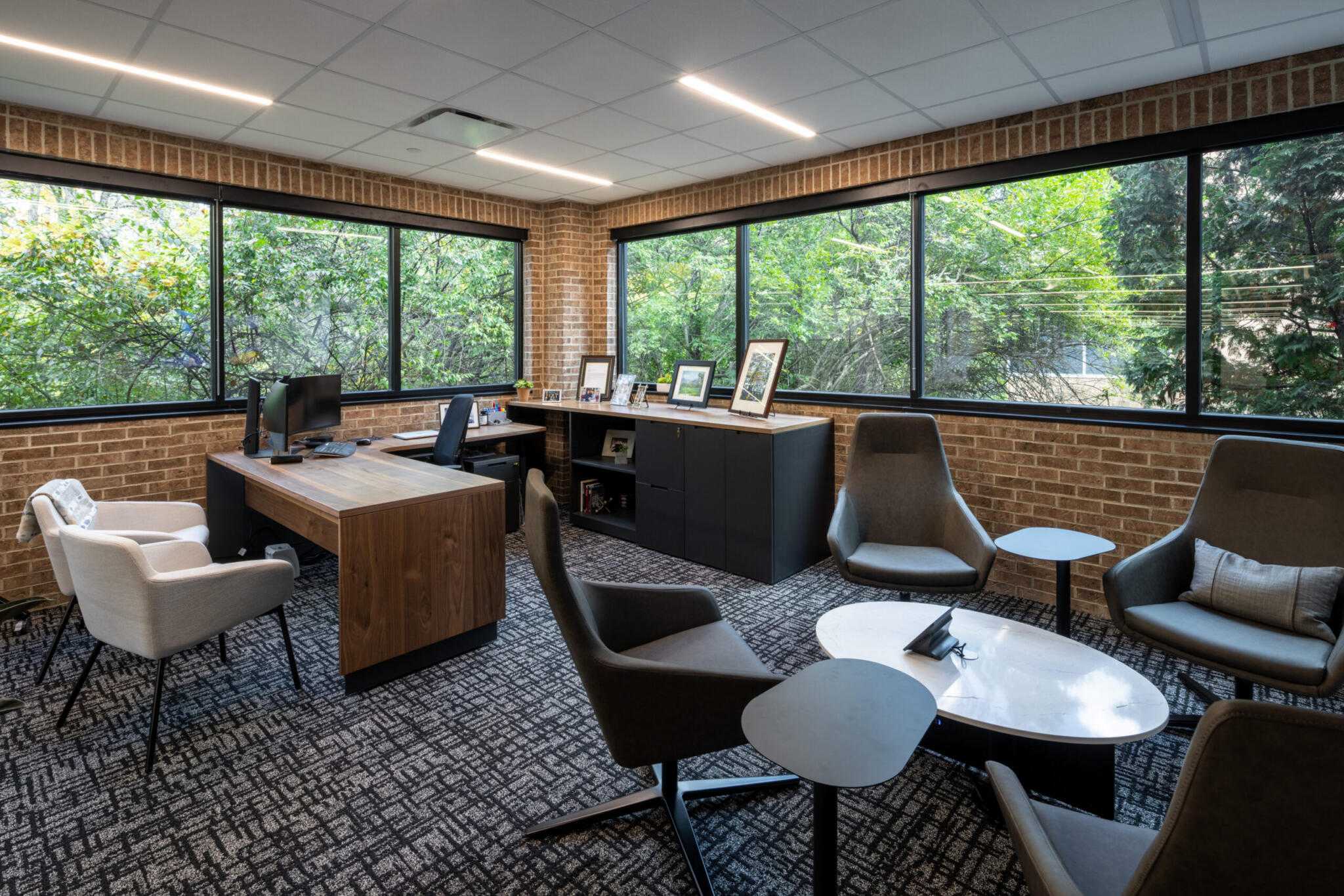
Design for What’s Next
The way we work, learn, and care for people is constantly changing. Your space should be ready to change with it.
Flexible environments make it easier to respond to new priorities, shifting teams, evolving technology, and changing expectations.
At LOTH, we help organizations create adaptable spaces designed to work today and evolve for what comes next.
Flexibility is More Than Movable Furniture
A truly adaptable space is created by making thoughtful decisions about how people, furniture, technology and the built environment work together. The goal isn’t to predict exactly what you’ll need five years from now. It’s to create a space that gives you options when those needs change.
What Makes a Space Adaptable?
Furniture That Moves With You
Modular furniture, mobile elements and reconfigurable layouts make it easier to change how a space functions without a major renovation.
From individual focus to team collaboration, the same footprint can support more ways of working when furniture is selected with flexibility in mind.
Consider: modular workstations, mobile tables, flexible seating, movable storage and height-adjustable solutions.
Spaces That Work Harder
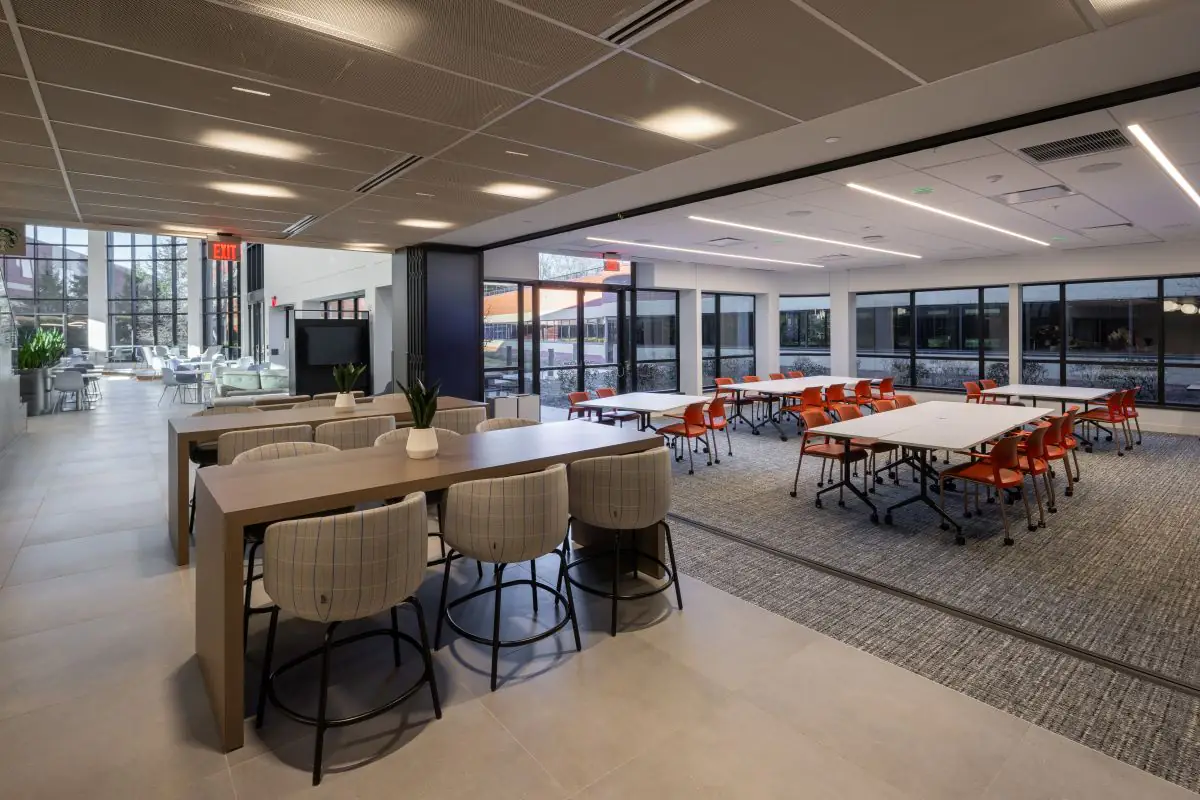
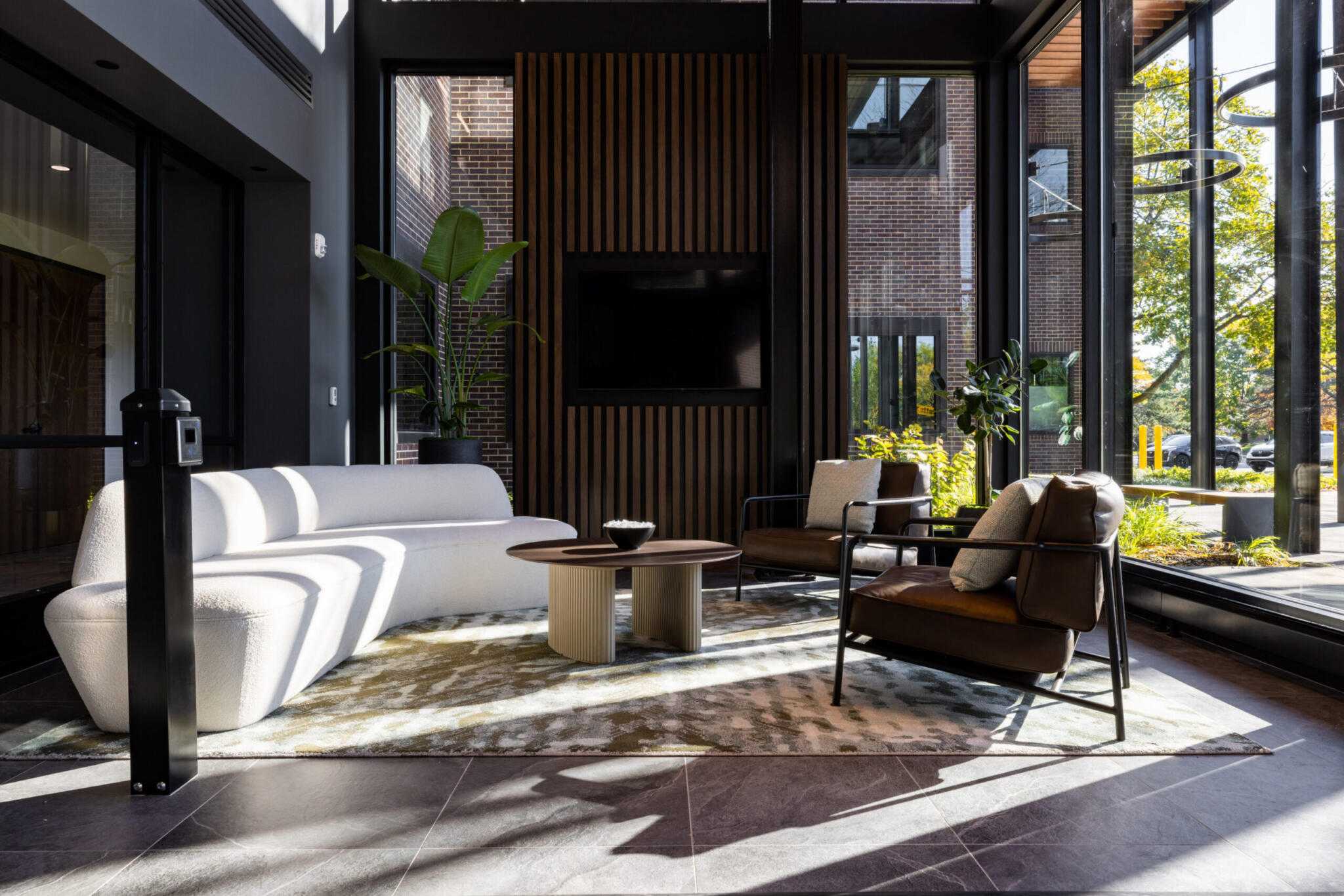
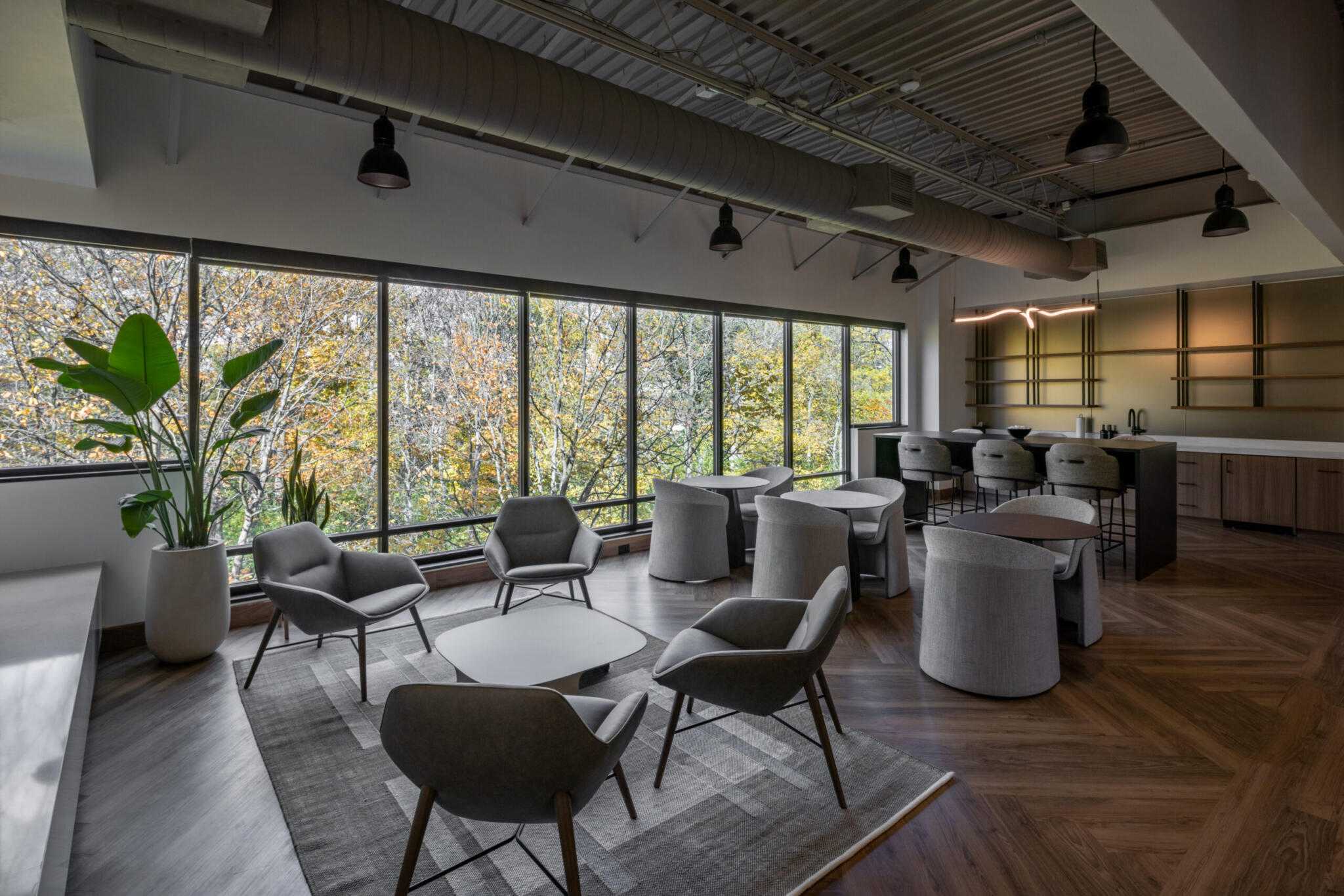
Not every activity needs its own dedicated room.
Thoughtful space planning can help one area serve multiple purposes throughout the day and create more value from the space you already have.
A café can become an informal meeting space. A training room can accommodate large presentations and small-group work. An open area can transition between individual work, collaboration and events.
Architecture That Can Adapt
Flexibility can extend beyond furniture.
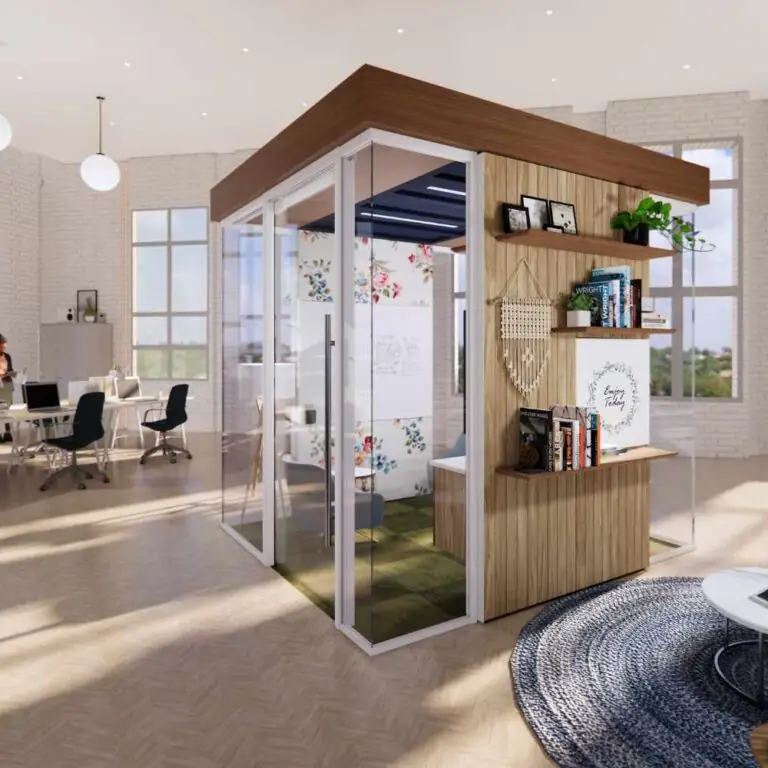
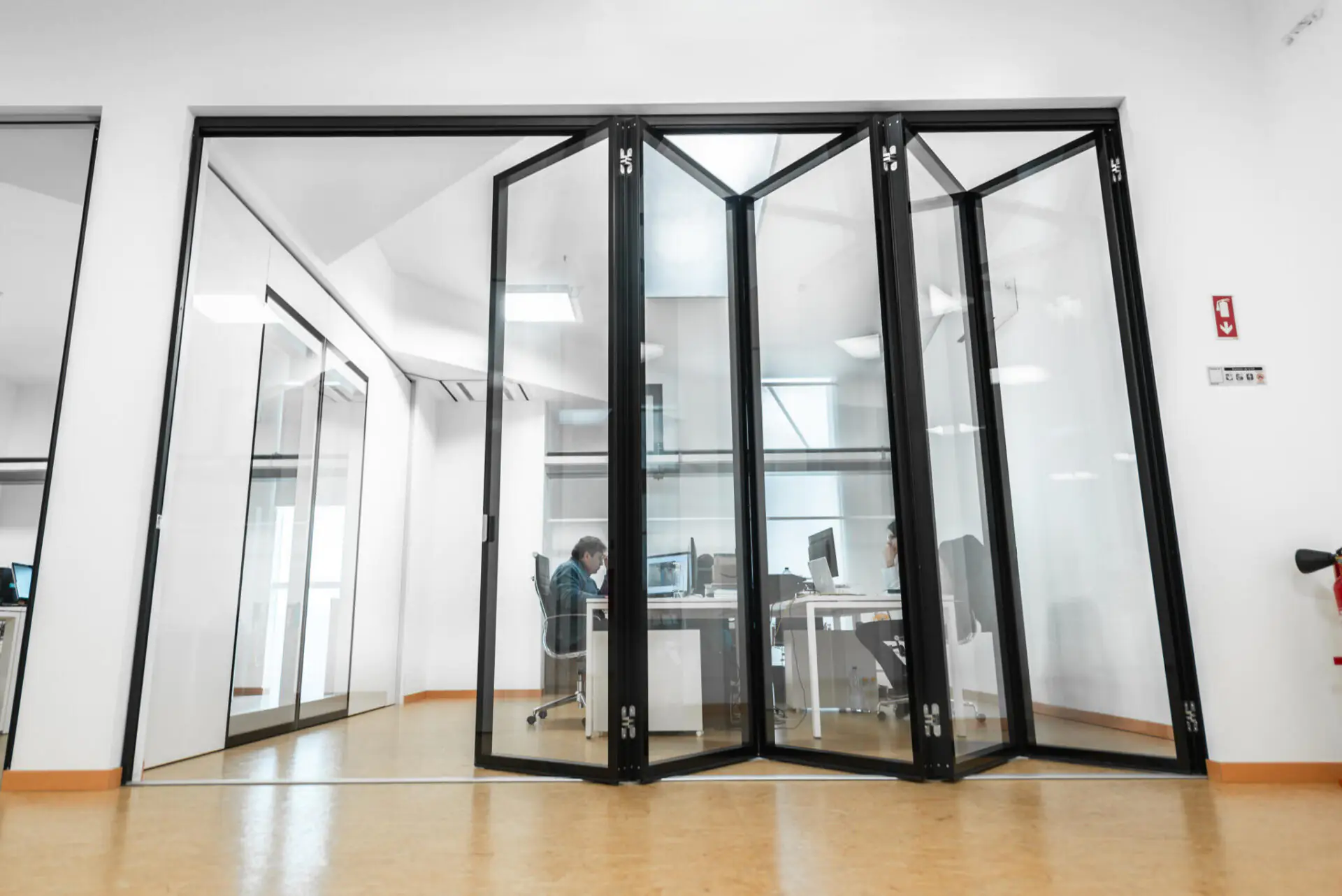
Demountable walls and prefabricated interior construction can make it easier to reconfigure the built environment as an organization’s needs change. Instead of treating every change as a traditional construction project, adaptable architectural solutions can help spaces evolve with less disruption.
The result is an environment designed with future change in mind from the beginning.
How Flexible Is Your Space?
Answer six quick questions to see how well your environment can adapt as needs change.
Can spaces support more than one type of activity?
Can teams reconfigure an area without calling facilities?
Can furniture be moved, added or rearranged as needs change?
Are there spaces for both individual focus and collaboration?
Could your layout accommodate growth or organizational changes?
Can your built environment adapt without a major renovation?
Answer all 6 questions to see your result.
Adaptability Looks Different in Every Environment
Workplace
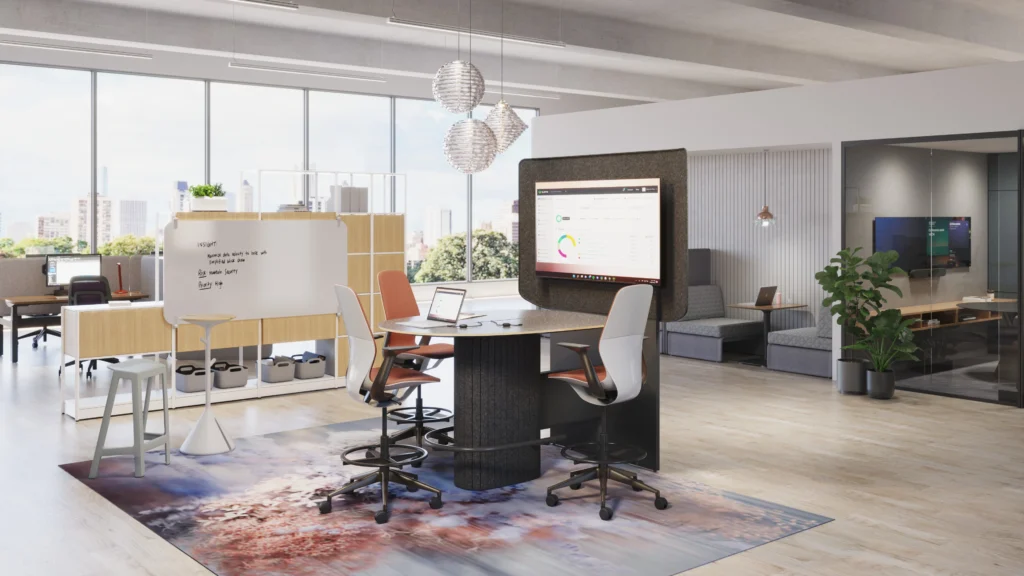
Flexible workplaces can support focus, collaboration, connection and changing team structures while helping organizations make better use of their real estate.
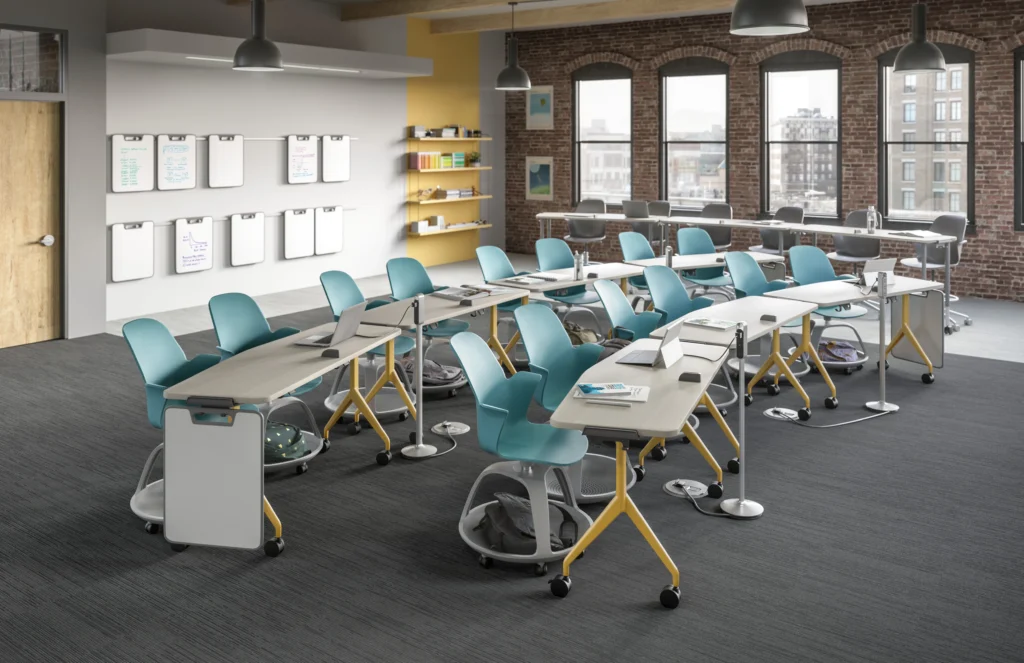
Education
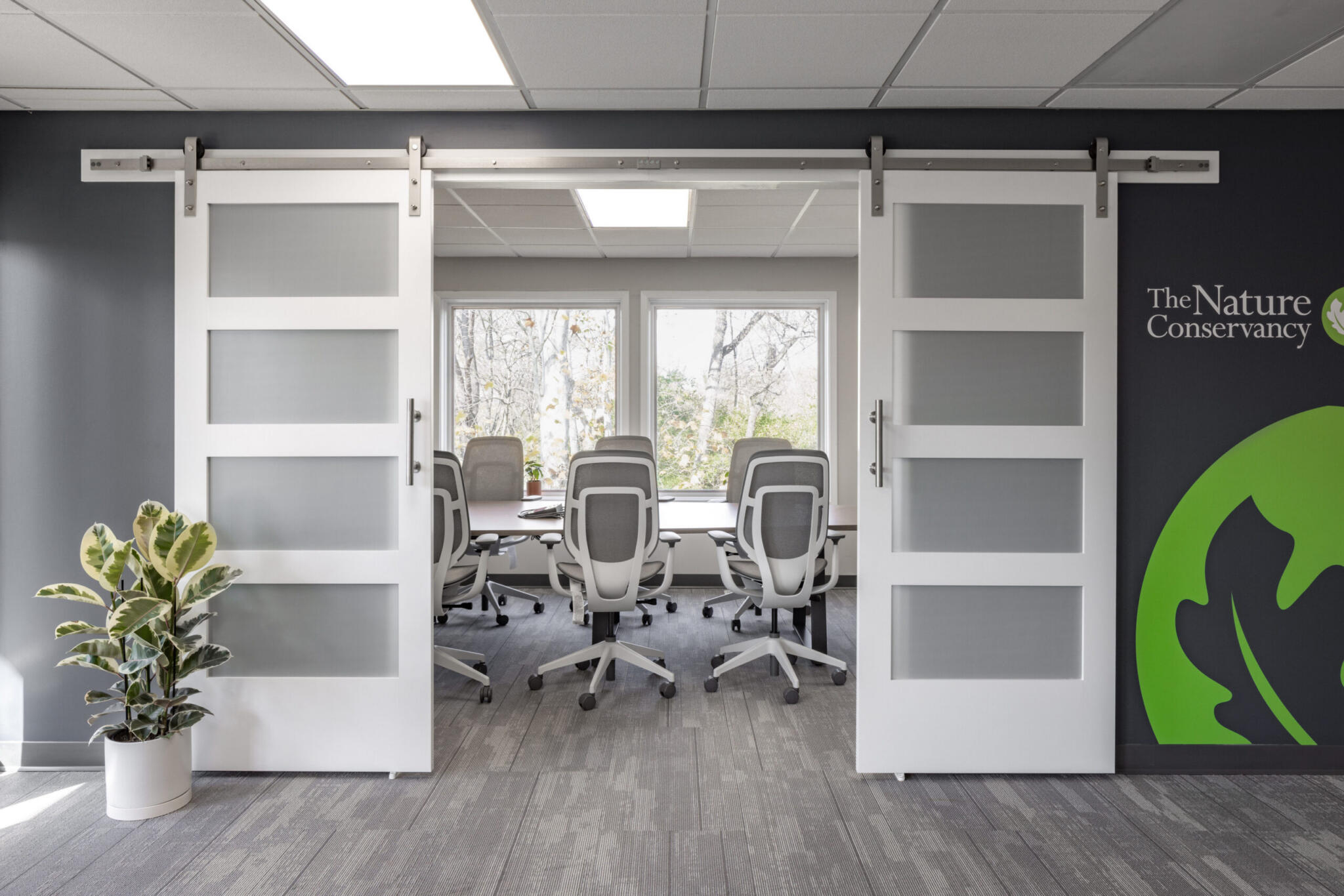
Adaptable learning environments have the ability to transition from instruction, collaboration, independent work, or hands-on activities while supporting different student needs.
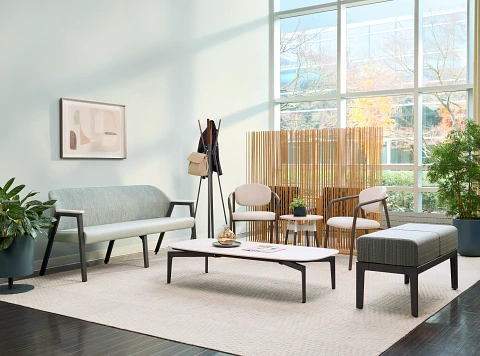
Healthcare
Flexible healthcare environments can help organizations respond to changing demands while creating spaces that support patients, families and care teams.
Start With the Space You Have
LOTH brings together workplace strategy, space planning, furniture, architectural solutions, technology and project services to help organizations create environments that can continue to work as their needs evolve.
Whether you’re refreshing one area, planning a renovation or rethinking an entire environment, we’ll help you find opportunities to create a space that’s ready for change.