
PEOPLE FIRST ENVIRONMENTS
Spaces designed around the people who use them.
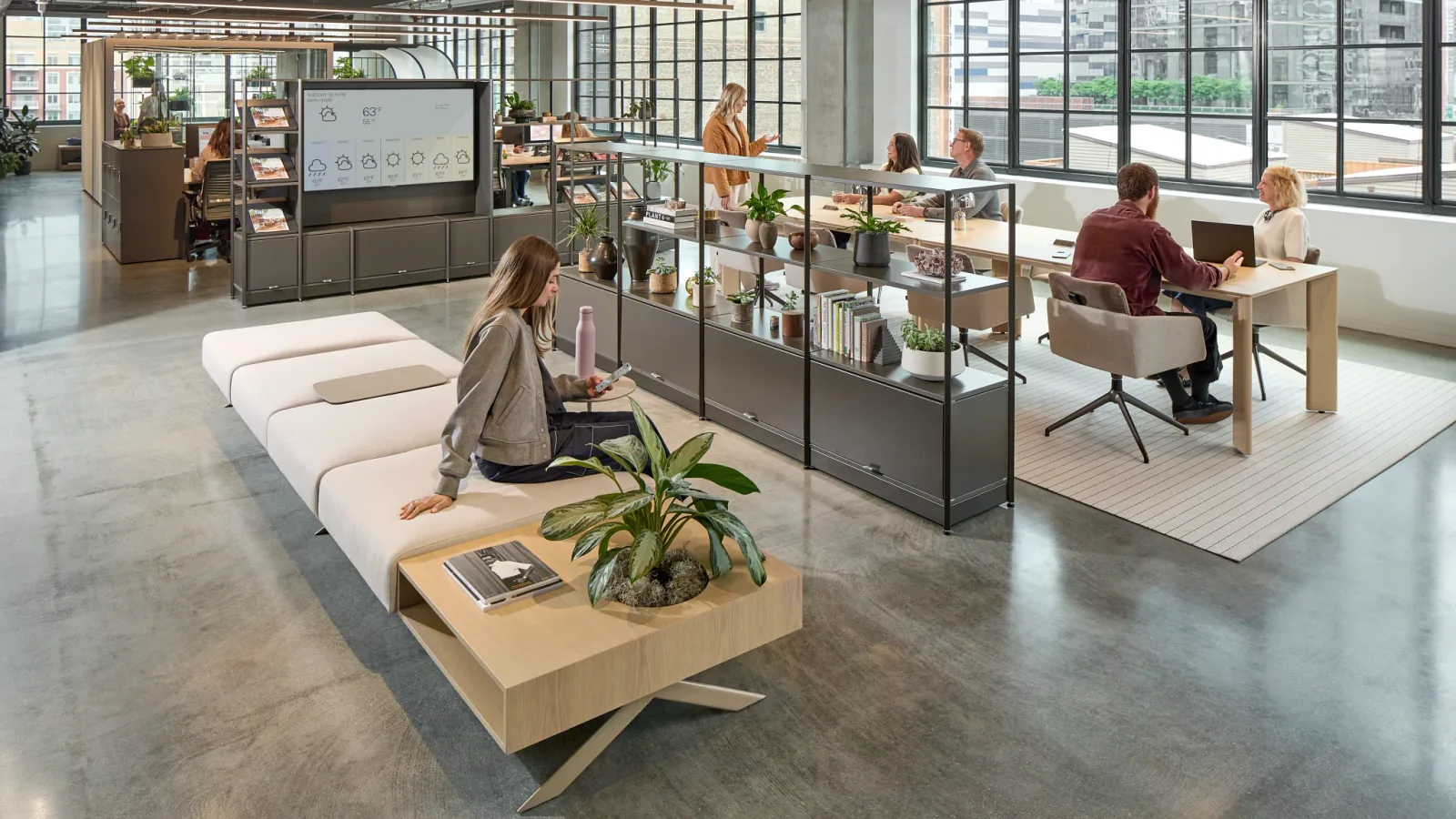
The spaces we spend our days in can have a real impact on how we feel, move, and work.
People-first environments consider physical wellbeing from the start, and create spaces that support movement, comfort, healthy posture, and the different ways people interact with their surroundings throughout the day.
From the workplace to the classroom to healthcare environments, thoughtful design can help people feel better supported by the spaces around them.
SUPPORT PHYSICAL HEALTH
ENCOURAGE MOVEMENT
GIVE PEOPLE CHOICES
DESIGN FOR WELLBEING
CREATE SPACES FOR EVERYONE
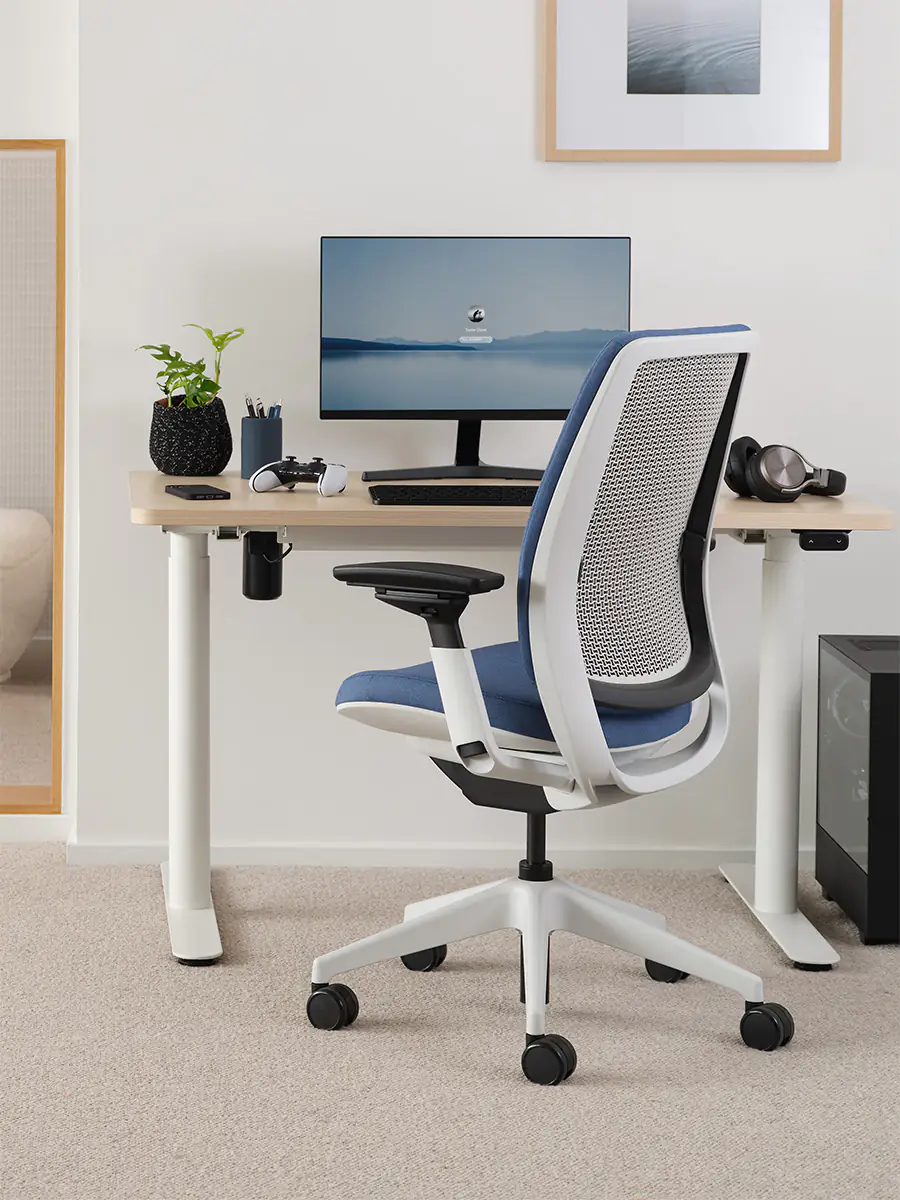
PHYSICAL HEALTH + ERGONOMICS
Physical wellbeing starts with the environment.
The way we sit, stand, move and interact with our surroundings can have a meaningful impact on how we experience the day.
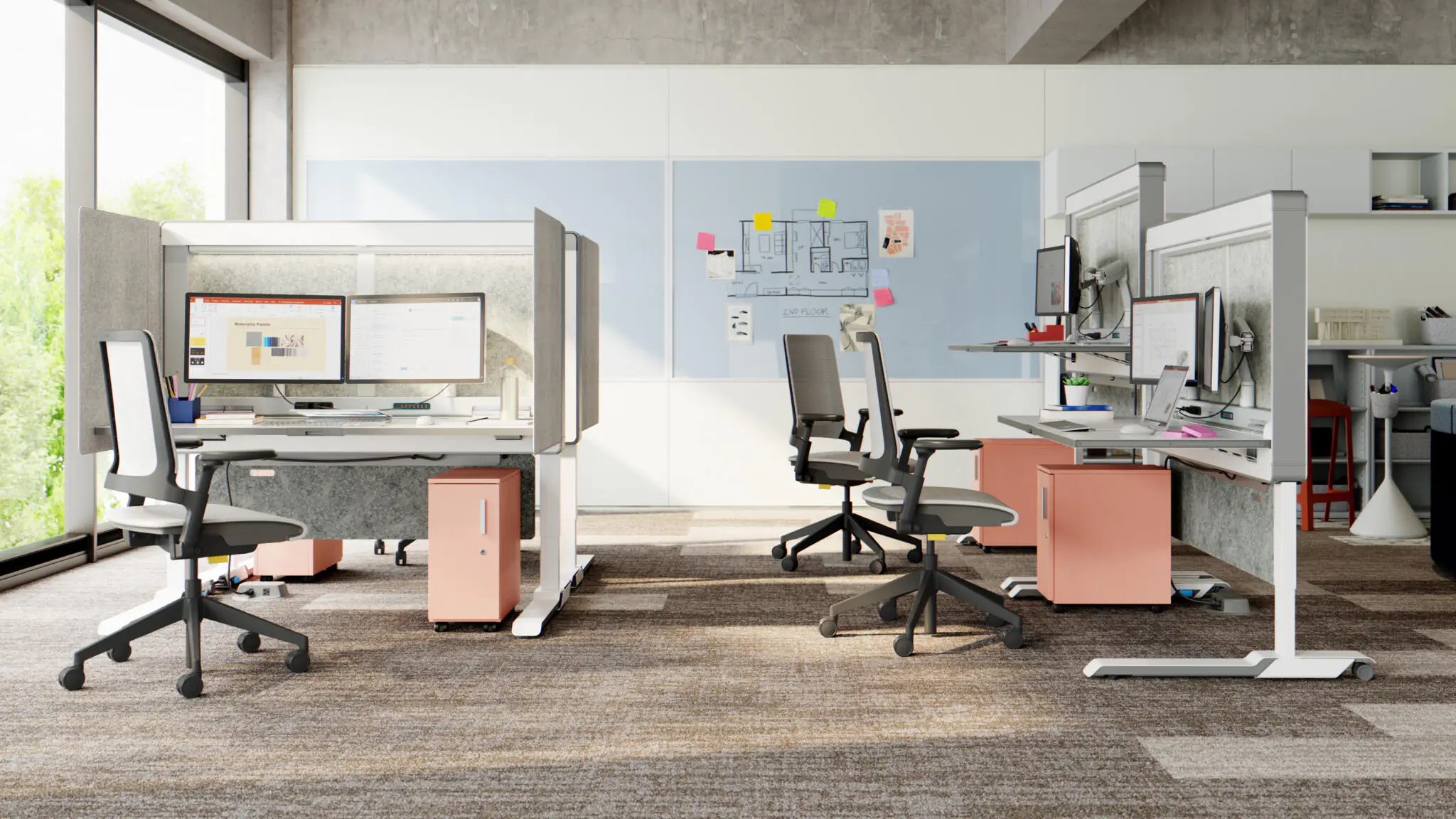
Ergonomic design goes beyond choosing the right chair. It considers the entire environment: adjustable work surfaces, supportive seating, technology placement, movement, posture and the ability to change positions throughout the day.
By designing around the people using a space, we can create environments that better support comfort and the work, learning or care happening within them.
MOVEMENT MATTERS
The best posture is often the next one.
People aren’t meant to stay in one position all day.
Environments that provide opportunities to sit, stand, move, and change settings can make movement a natural part of the experience. That might mean transitioning between individual and collaborative spaces, incorporating height-adjustable surfaces or simply giving people more choices in how and where they work.
Instead of asking people to adapt to a static environment, the environment can adapt with them.
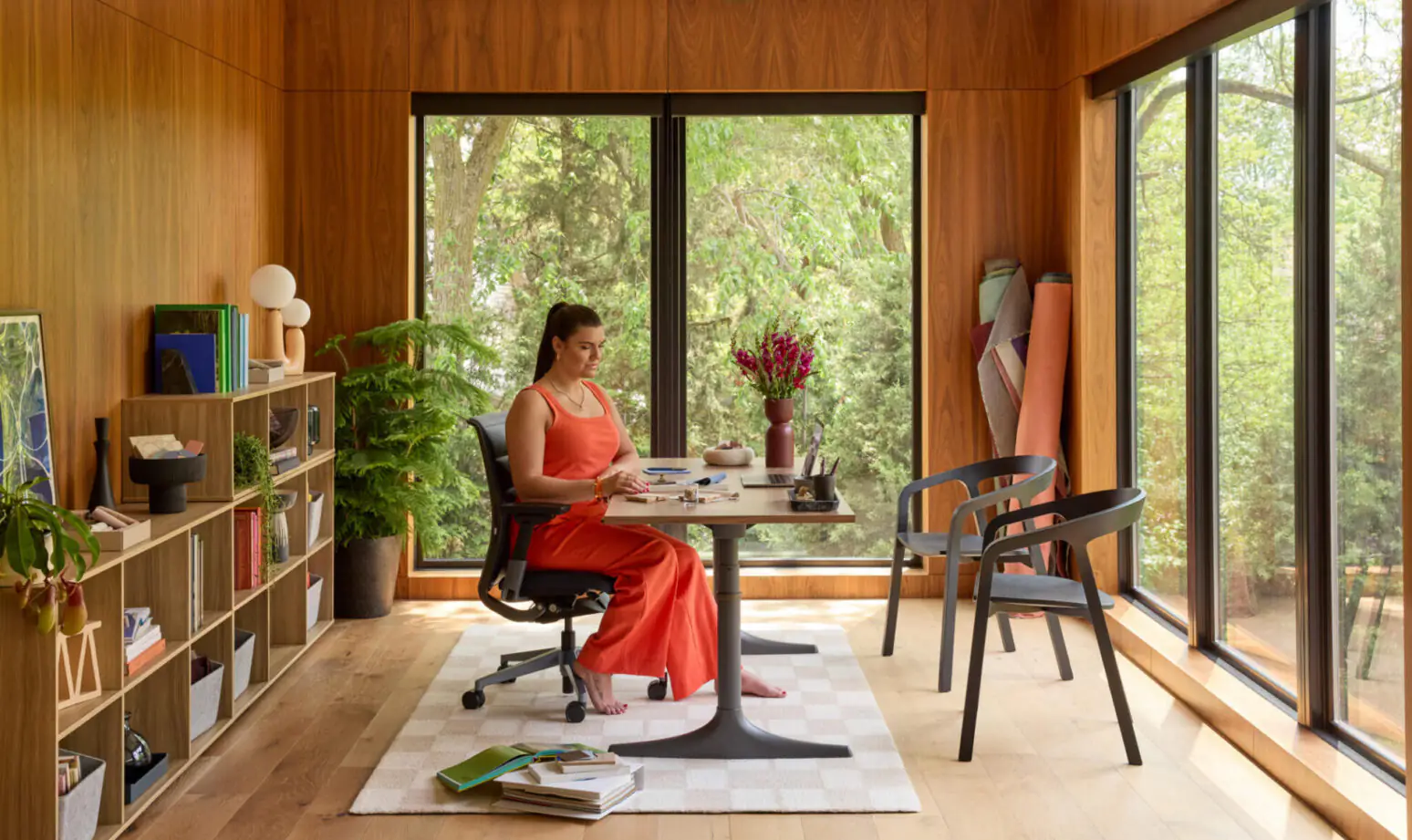
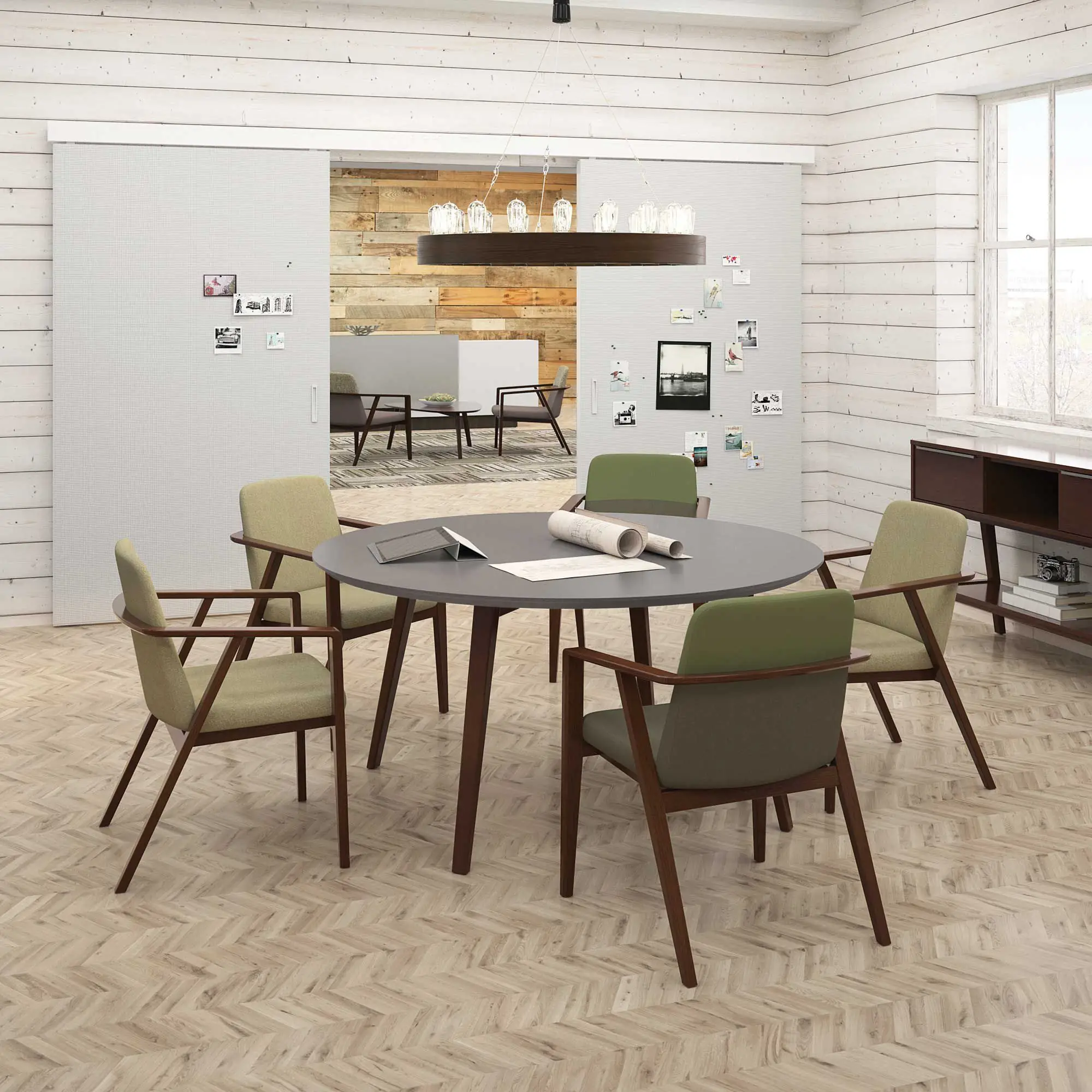
CHOICE + CONTROL
Different people need different things from a space.
There is no single ideal way to work, learn, or provide care.
Some tasks require focus. Others require collaboration. Some people prefer to sit, while others think better when they can stand or move.
Providing a variety of settings gives people greater control over how they use them and creates environments that can respond to different people, activities and needs throughout the day.
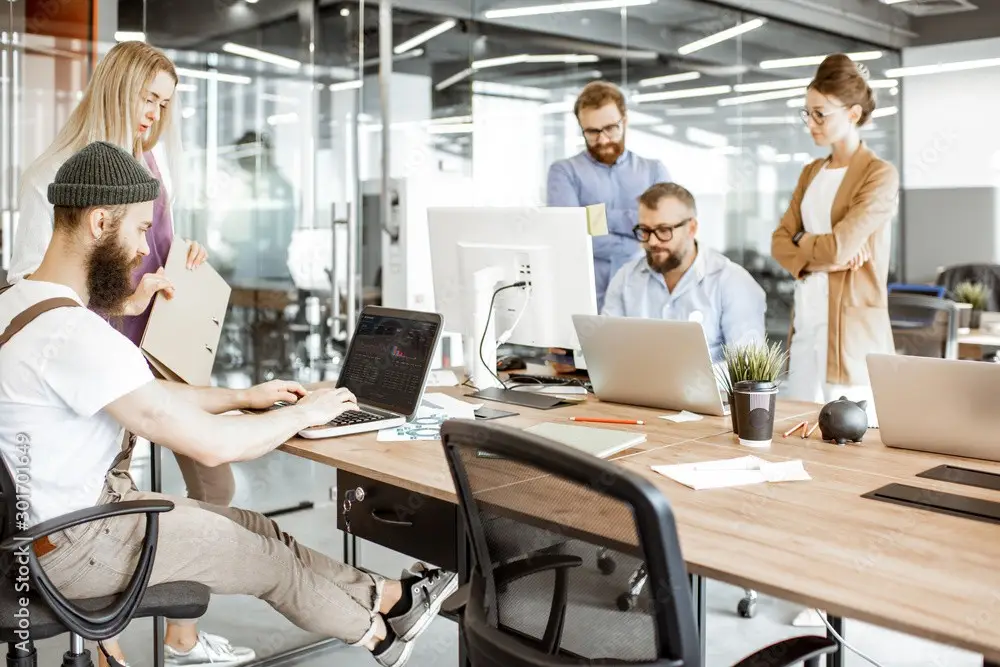
START WITH YOUR PEOPLE
What does your space need to do for the people using it?
Whether you’re refreshing an existing environment, replacing furniture or planning an entirely new space, LOTH can help you think beyond products and consider how your environment can better support the people within it.
Together, we can create spaces designed around how people really work, learn, connect and care.
People-First Design Across Every Environment
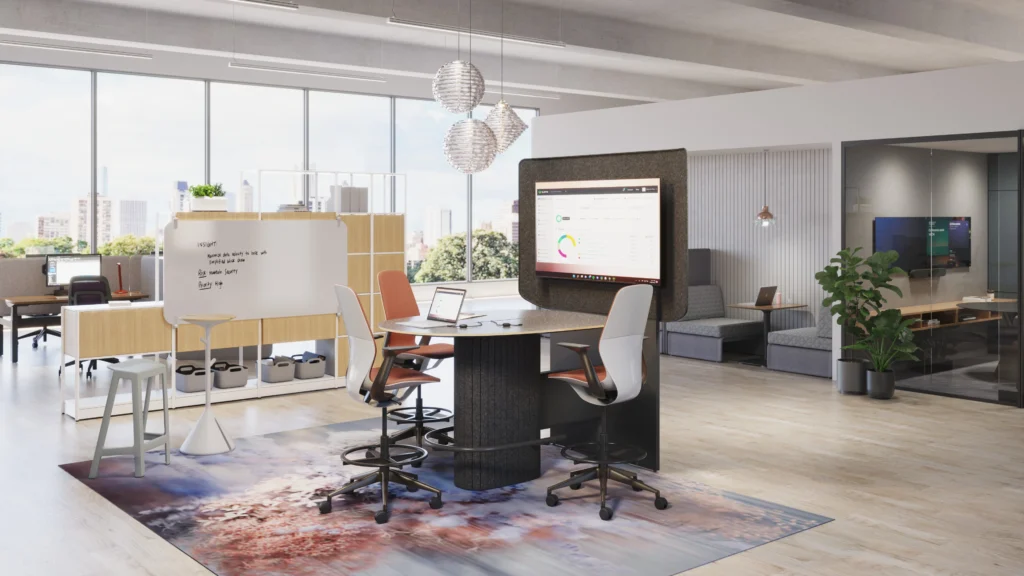
Workplace
Create spaces that support comfort, movement, and different ways of working, from individual workstations to collaborative + shared spaces.
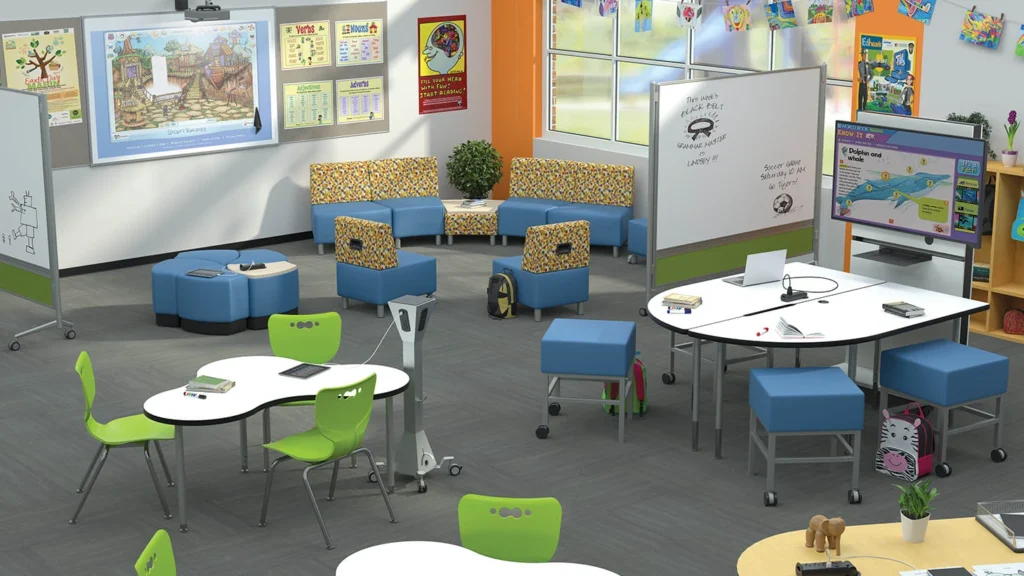
Education
Support students and educators with learning environments designed for movement, flexibility and a variety of bodies, activities and learning styles.
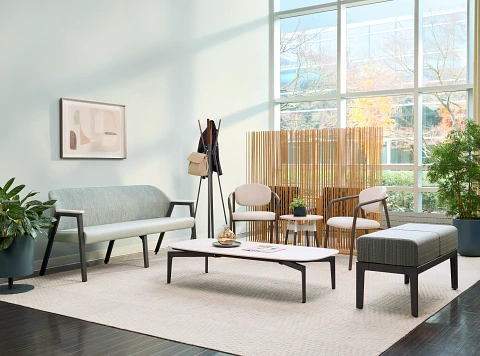
Healthcare
Create environments that consider the experience of caregivers, staff, patients, and visitors while supporting the physical demands of healthcare.
The spaces around us can influence our ability to focus, connect, recharge and feel supported. Acoustics, lighting, privacy, access to nature, movement, flexibility, and opportunities for connection all contribute to the experience of a space.
Related Research + Insights
-

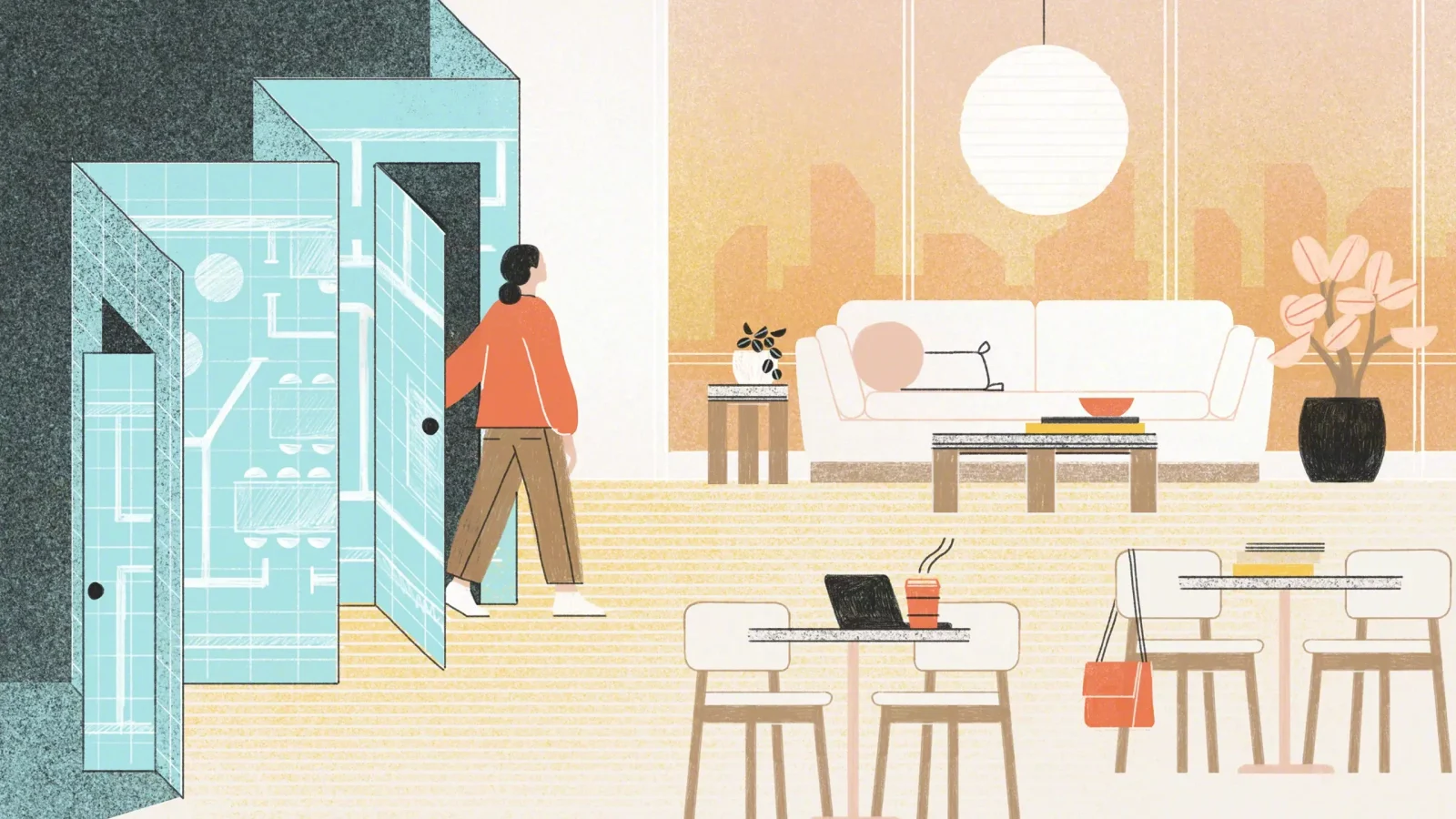
Three Ways to Design a More Flexible Workplace
Creating spaces that foster community and resilience is key to building our best cities. Now it’s time to see how it can design great offices, too.… Read the blog
-
Blueprint for a Better Office
Research reveals four high-impact workplace design improvements A workplace can look great. But what really defines a good day is whether it helps people get work… Read the blog
-

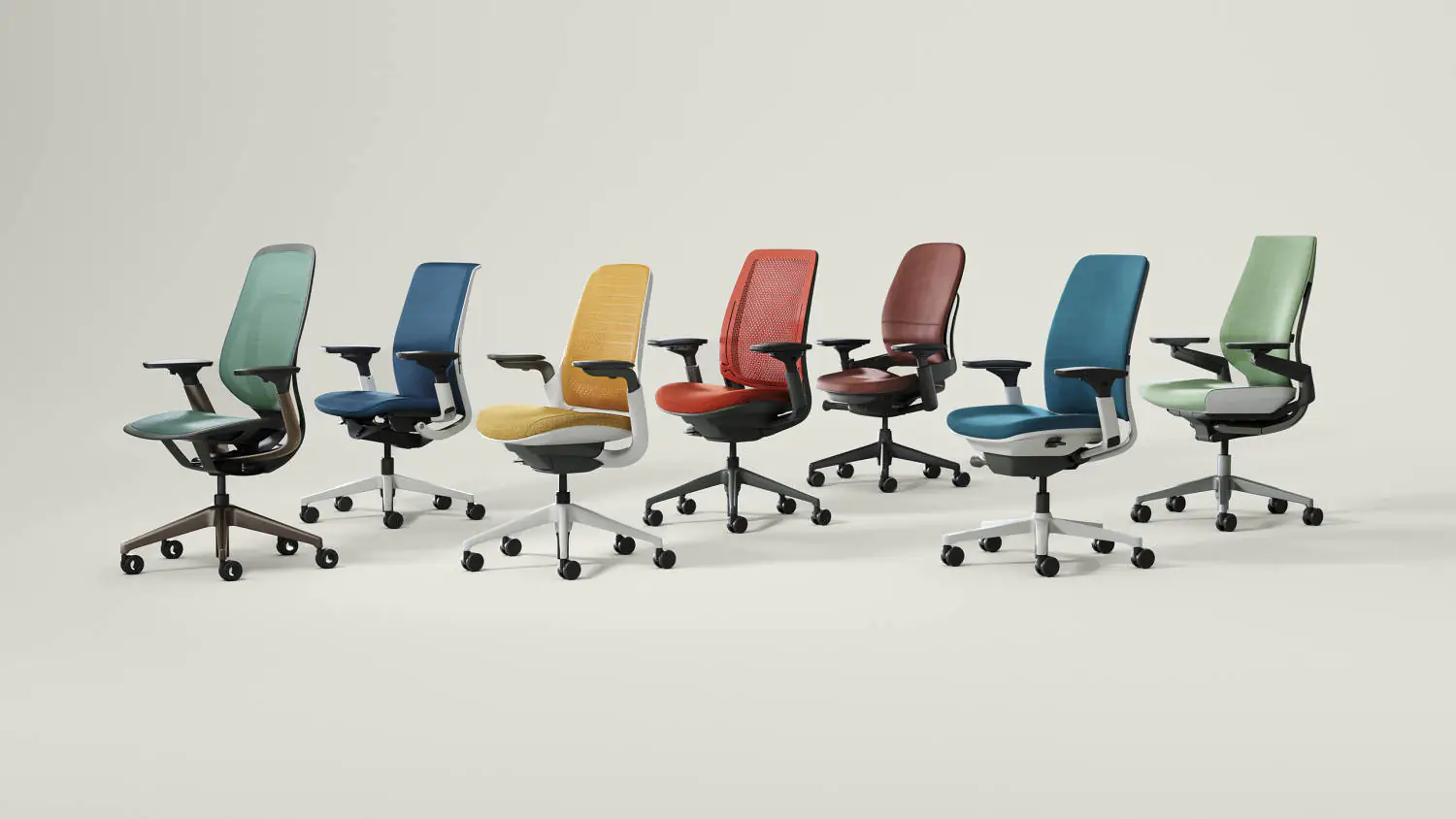
Sit Better. Work Better.
How to Choose the Right Desk Chair Sitting – we all do it, some of us more than others. But for those who spend a lot… Read the blog